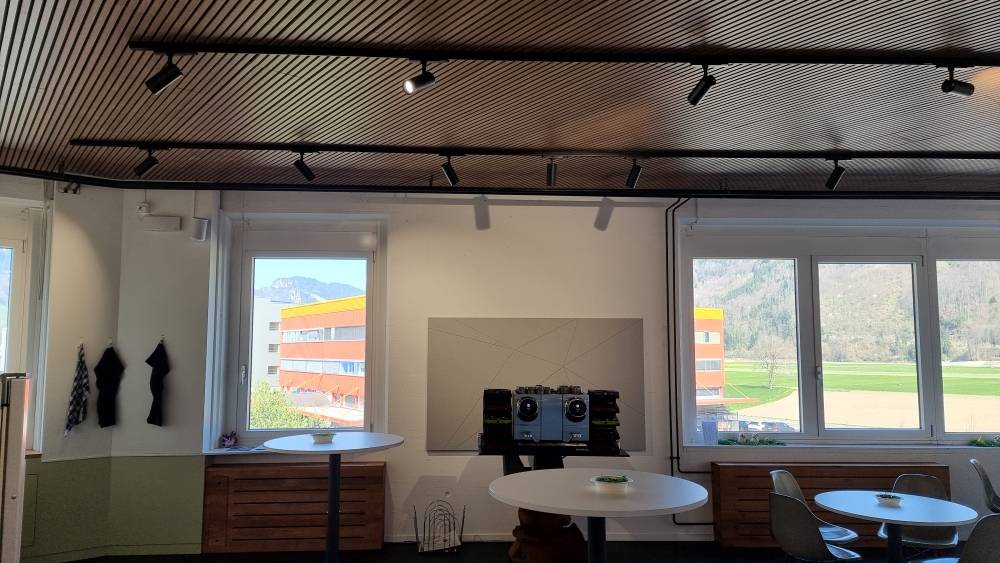
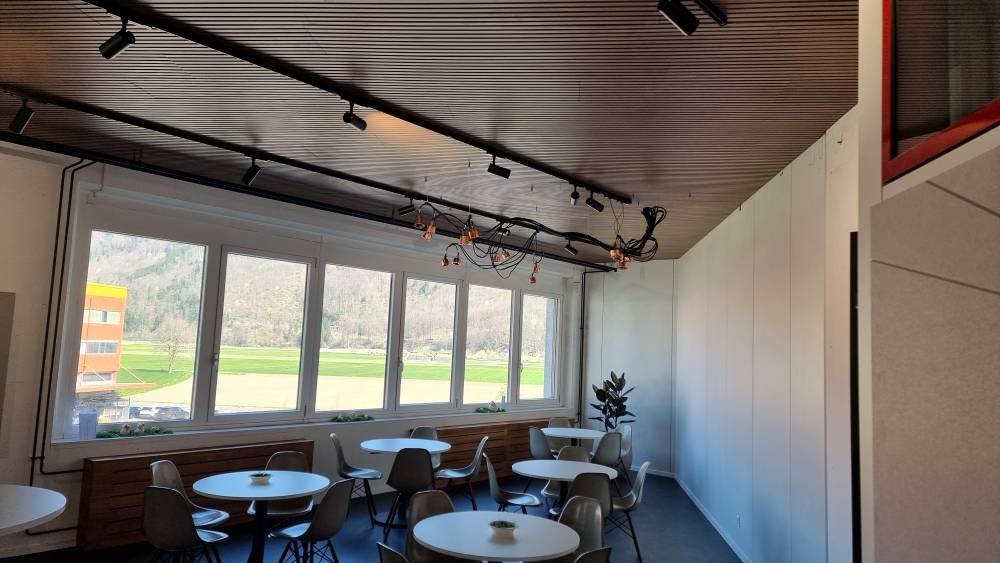
Project Name: Cafeteria in Switzerland
Location: Switzerland
Project Type: Commercial Cafeteria and Dining Facility
Lighting Focus: Commercial LED Lighting, Dining Area Lighting, LED Downlights and Linear Lighting
A well-designed cafeteria is more than a place to eat. In offices, industrial facilities, educational campuses and other commercial environments, it provides a shared space for meals, breaks and informal interaction.
Lighting plays an important role in making these spaces comfortable, functional and visually appealing. The right lighting arrangement helps users navigate the dining area, read menus, identify food at serving counters and enjoy a pleasant environment throughout the day.
Inbright Lighting provides LED lighting solutions for commercial interiors, including recessed LED downlights, linear lights, LED panels and LED strip lighting. These products can be considered for cafeteria and workplace dining applications according to the architectural design and project specifications.
Cafeteria lighting must balance functional performance with a comfortable atmosphere. Unlike a conventional office, a dining space includes different activities, such as queuing, food selection, eating, conversation and cleaning.
A coordinated lighting scheme should consider:
The final lighting layout should be developed according to the room dimensions, ceiling height, furniture arrangement and applicable lighting requirements.
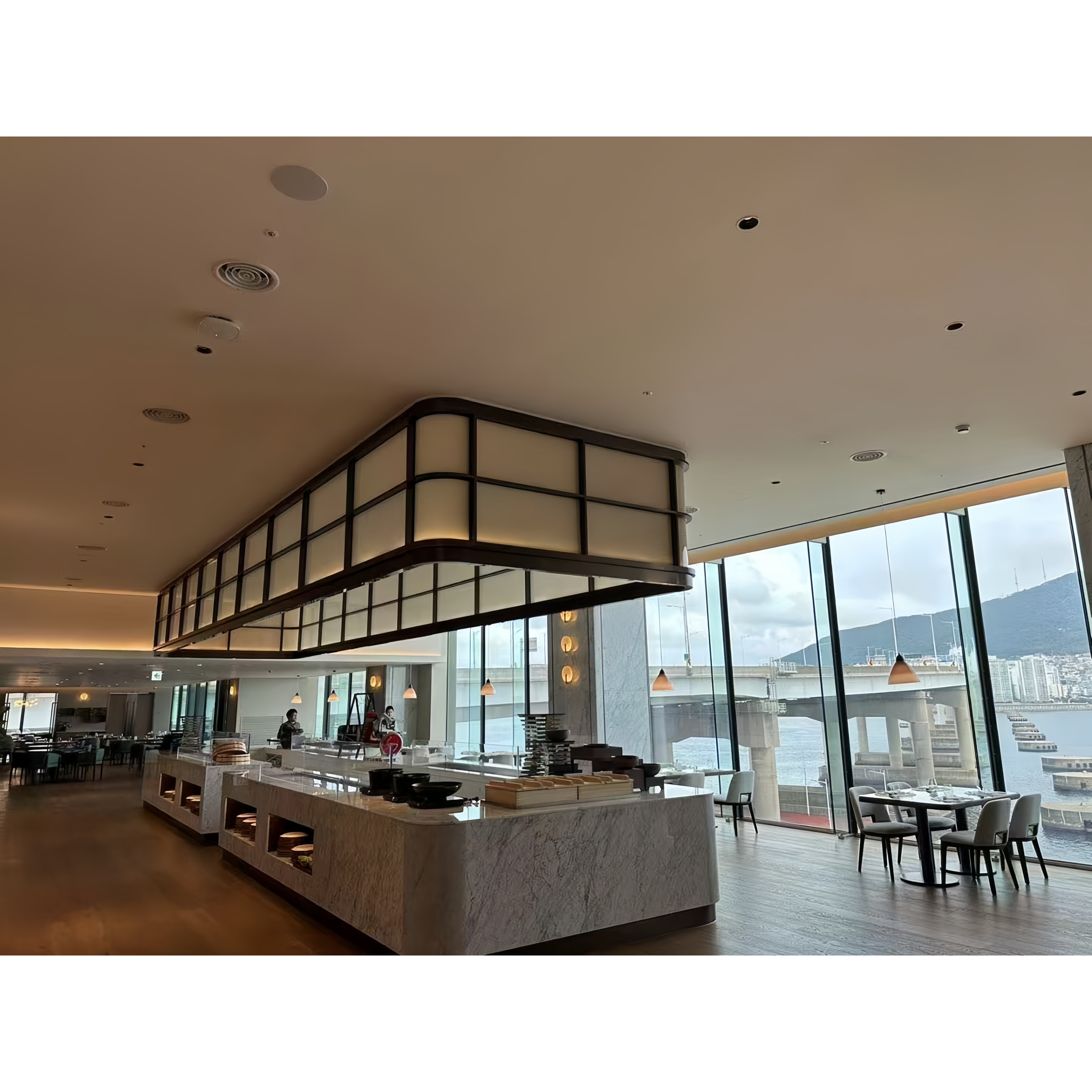
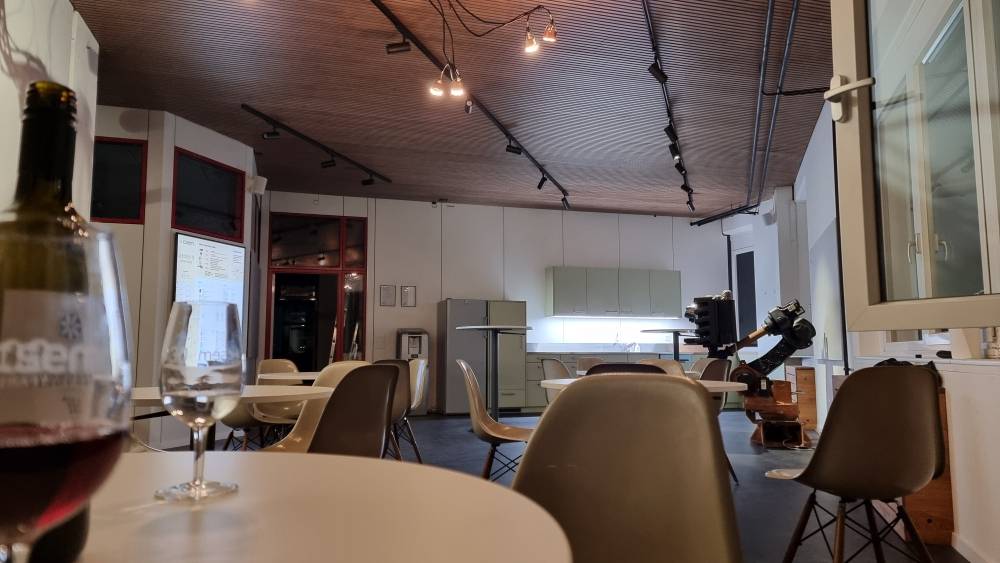
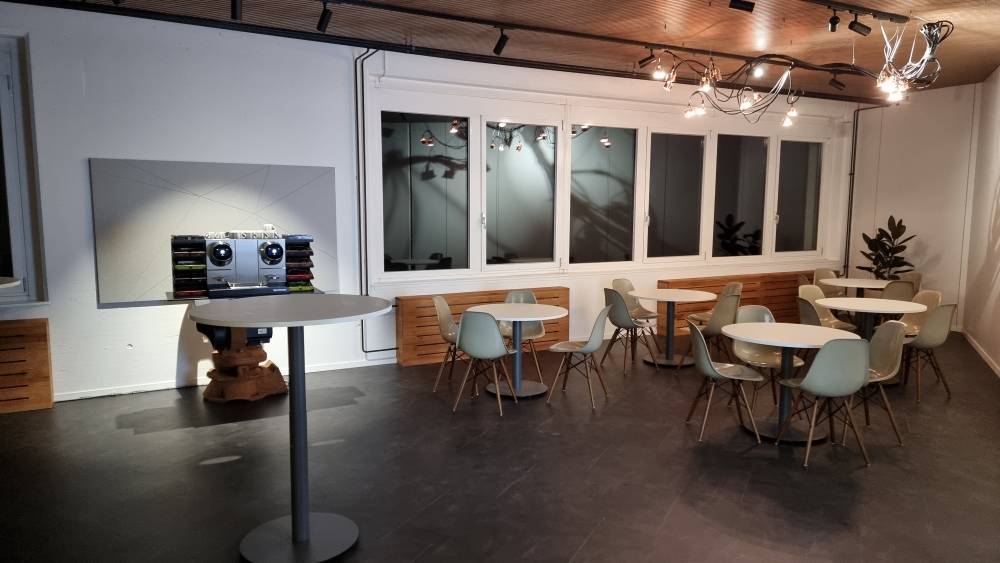
The dining area is the central space of a cafeteria. Lighting should provide sufficient illumination for meals and conversation while maintaining a comfortable visual environment.
Recessed LED downlights can provide general illumination while preserving a clean ceiling appearance. LED linear lights or panel lights may also be suitable, depending on the ceiling layout and desired lighting distribution.
Luminaire spacing should be coordinated with the table arrangement to reduce uneven brightness and unwanted shadows. Appropriate glare control is especially important where people are seated and looking across the room.
A balanced lighting scheme can help create a bright, welcoming environment without making the space feel excessively harsh.
Serving counters require clear illumination so that staff can prepare and serve food efficiently and customers can identify menu items.
LED downlights, linear luminaires or other suitable commercial fixtures can provide task-oriented illumination around counter surfaces and food display areas.
Light distribution should be selected to minimize distracting reflections on glass, stainless steel and other reflective materials. Colour rendering should also be considered to support a natural appearance of food.
The final luminaire choice depends on counter geometry, mounting height, hygiene requirements and the environmental conditions around food preparation equipment.
Self-service areas need clear visibility and convenient movement. Lighting should help users identify serving stations, utensils, payment counters and circulation routes.
A consistent arrangement of LED luminaires can provide general illumination, while additional task lighting may be considered for specific work surfaces.
The layout should account for changes in queue length, equipment locations and furniture arrangements. Lighting should also be coordinated with signage and other wayfinding elements.
Entrances, aisles and transitions between the dining room and service areas require clear, continuous illumination.
Recessed LED downlights or linear lighting systems can be selected to suit the ceiling design and circulation layout. Suitable spacing helps reduce dark areas and supports comfortable movement.
For spaces connected to outdoor entrances, the lighting design should consider differences in daylight and indoor brightness. Emergency lighting and exit signage must be addressed separately in accordance with applicable regulations.
Kitchen and service areas have different requirements from customer dining spaces. Task visibility, cleaning procedures, operating conditions and maintenance access should guide luminaire selection.
Suitable commercial LED luminaires should be specified according to the actual installation environment. Areas exposed to moisture, steam, grease or frequent cleaning may require particular attention to ingress protection, materials and installation details.
The lighting system should also be coordinated with ventilation equipment, ceiling services and food safety procedures.
Different cafeteria spaces may benefit from different luminaire types. The selection should be based on performance and application rather than appearance alone.
Recessed LED downlights
Suitable for general illumination in dining areas, entrances and circulation spaces. Available configurations may include different lumen outputs, beam angles, trim finishes and glare-control options.
LED linear lights
Useful for elongated dining areas, serving counters and circulation routes where an organized lighting layout is desired. The final distribution should be matched to the ceiling arrangement and required illumination.
LED panel lights
May be considered for suitable suspended ceiling systems where broad, relatively uniform illumination is required.
LED strip lighting
Can provide supplementary or decorative illumination for selected counters, shelving or architectural details, provided that the installation conditions and product specifications are appropriate.
The actual product configuration should be confirmed through lighting calculations, photometric data and project documentation.
Cafeterias often operate for extended periods and may experience changing occupancy levels throughout the day. Efficient lighting and appropriate controls can help manage operating costs while maintaining the required lighting quality.
Important considerations include:
Any sensor or dimming strategy should maintain the required illumination and comply with applicable safety and operational requirements.
Successful cafeteria lighting combines practical illumination with the character of the interior. Neutral finishes, timber details, coloured surfaces and furniture can all influence how the space appears under artificial lighting.
A coordinated choice of colour temperature, colour rendering and light distribution helps create a consistent visual environment. General illumination can be combined with focused lighting where needed, while avoiding excessive contrast and direct glare.
For projects in Switzerland, luminaire selection should be coordinated with the applicable building and electrical requirements, as well as the specifications established by the project consultant.
Inbright Lighting manufactures LED lighting products for commercial and indoor applications. Its product range includes LED downlights, track lights, panel lights, linear office lights and LED strip lights.
For cafeteria projects, suitable products can be evaluated according to the dining layout, ceiling conditions, required illumination, electrical specifications and maintenance requirements.
Our team can provide product information and technical documentation to support the evaluation of appropriate LED lighting solutions for commercial dining environments.
A cafeteria lighting project in Switzerland illustrates the importance of combining functional illumination, visual comfort and practical operation in a shared dining environment.
From dining tables and serving counters to circulation routes and service areas, each space benefits from lighting selected for its specific purpose. Carefully planned LED lighting can help create a welcoming environment while supporting efficient operation and maintenance.
Inbright Lighting offers LED lighting solutions for commercial interiors and workplace environments. Contact our team to discuss your project drawings, lighting requirements and suitable luminaire options.
Project verification note: This article describes lighting applications relevant to a cafeteria in Switzerland. The specific site identity, installed luminaires, technical specifications and any supply or installation involvement by Inbright Lighting should be confirmed against actual project records before publication.
广东省江门市江海区五邑路442号2栋
admin@inbright-lighting.com
13424998756
Copyright © 江门市宜柏特照明有限公司 All Rights Reserved. 粤ICP备2025393167号 Sitemap XML