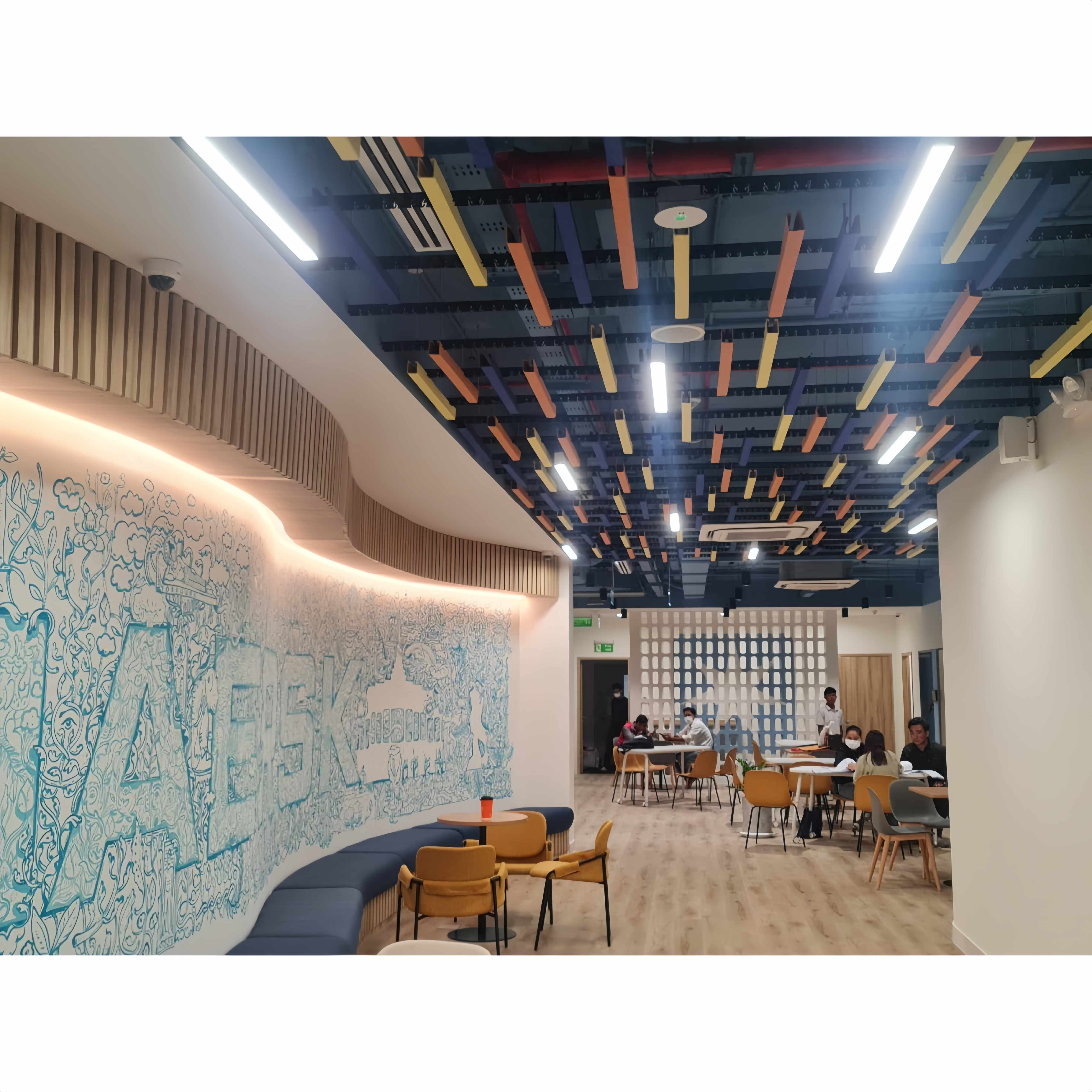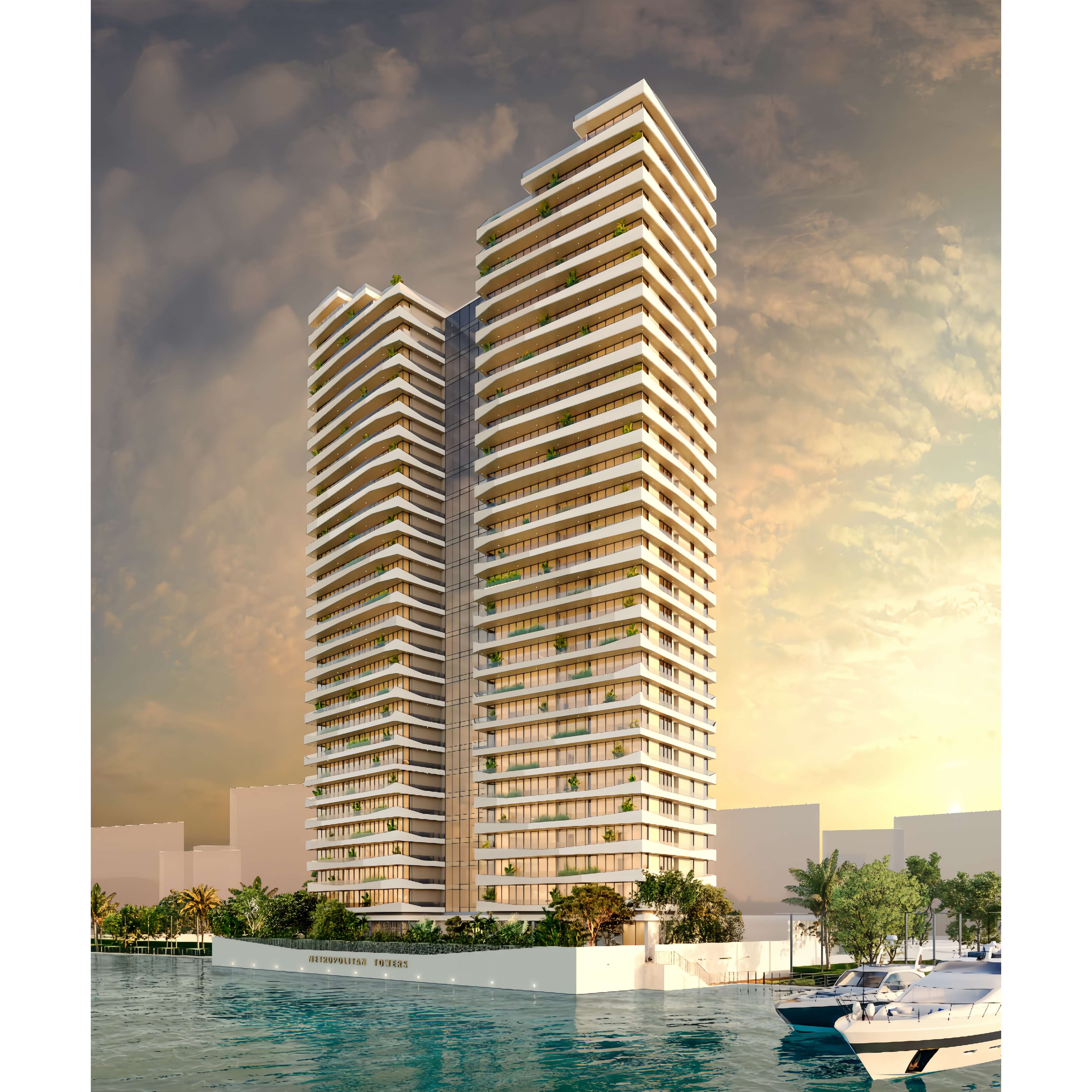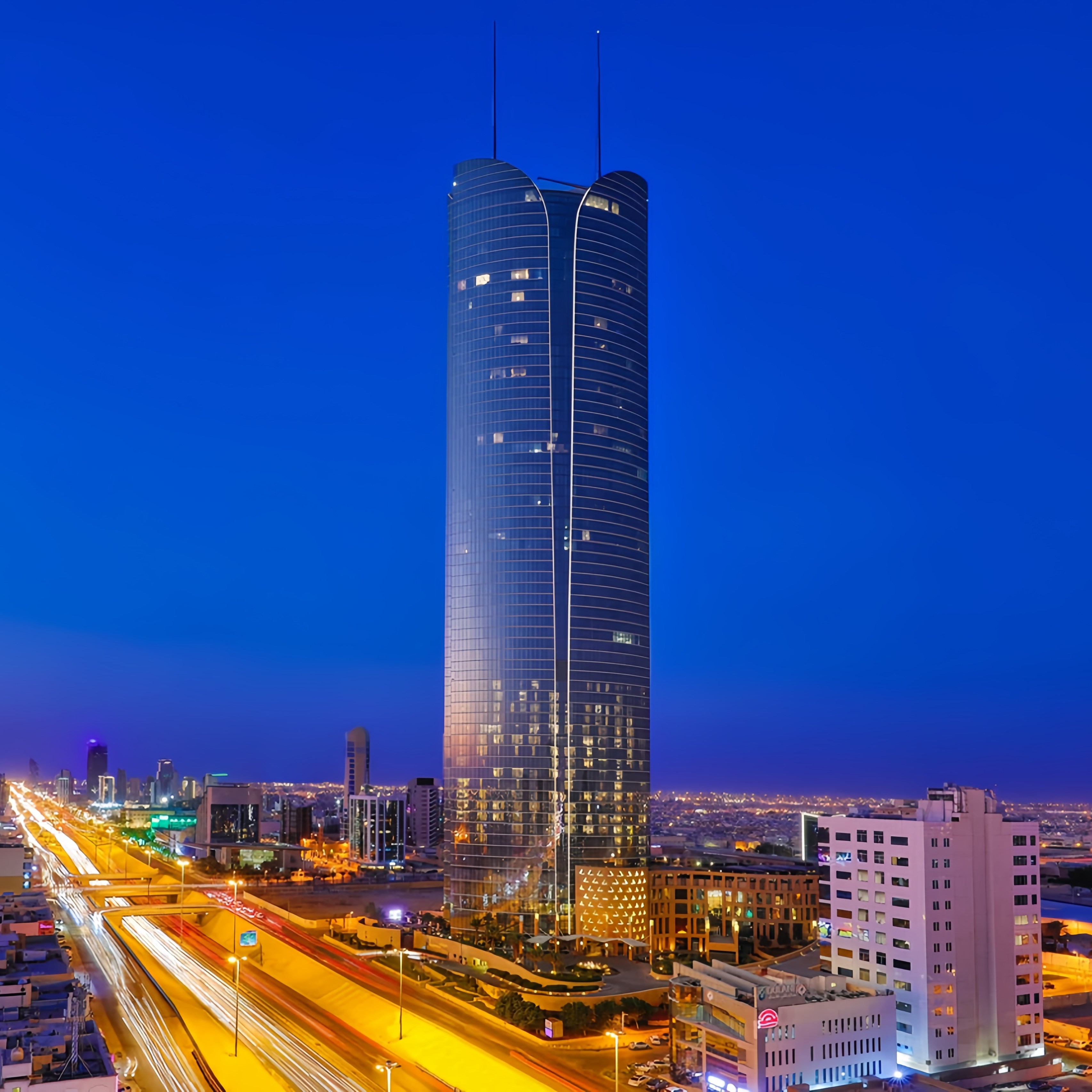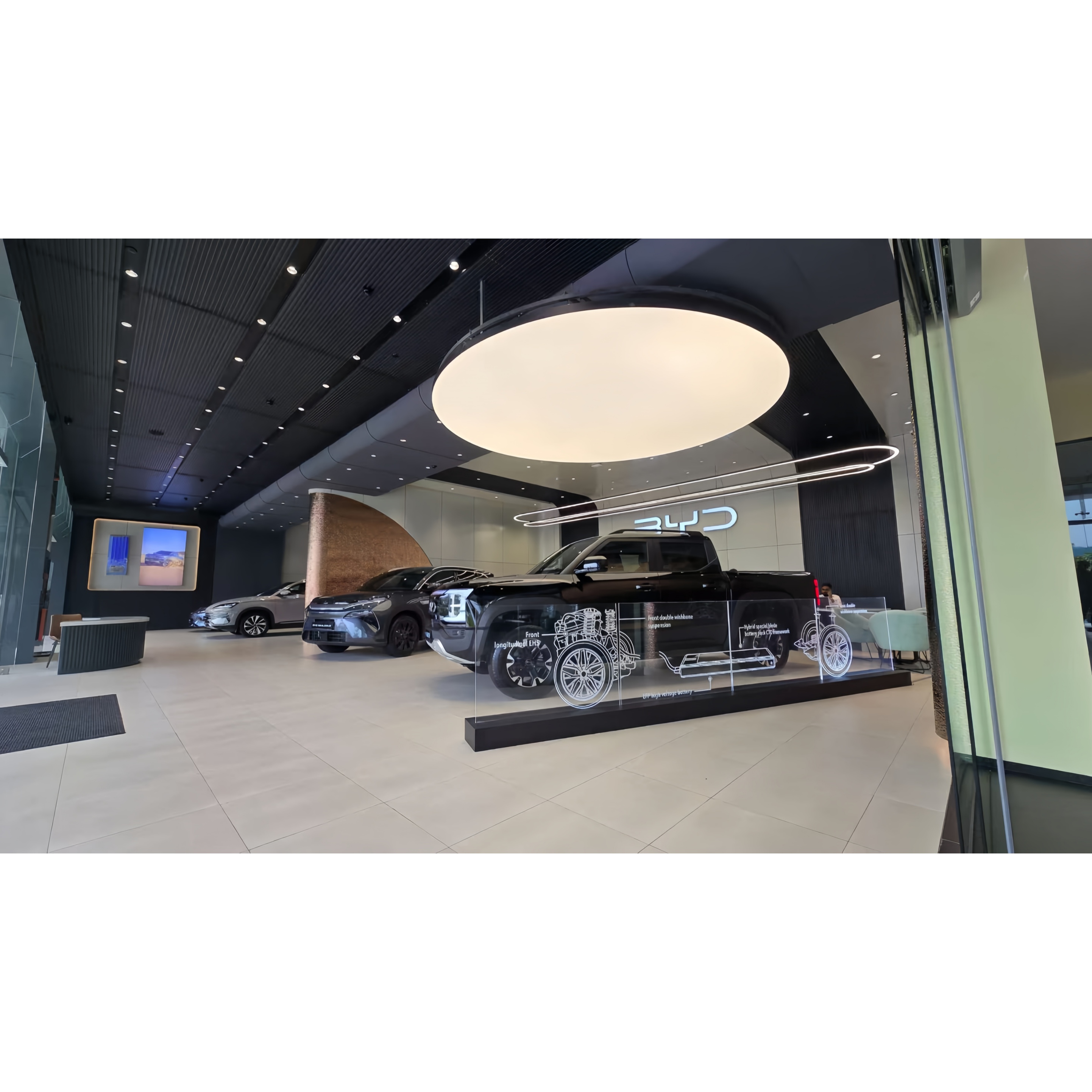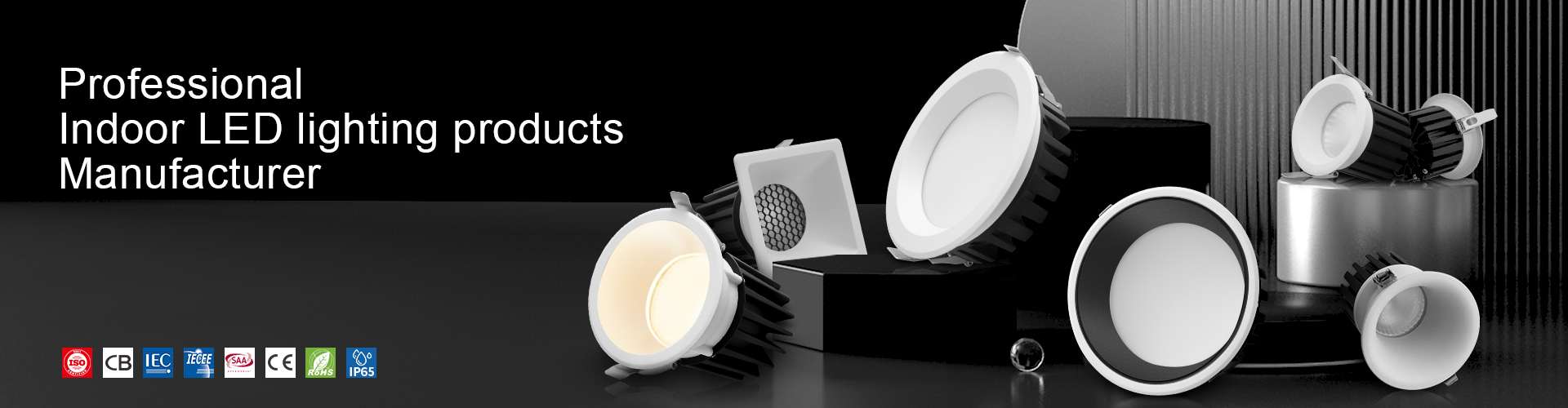
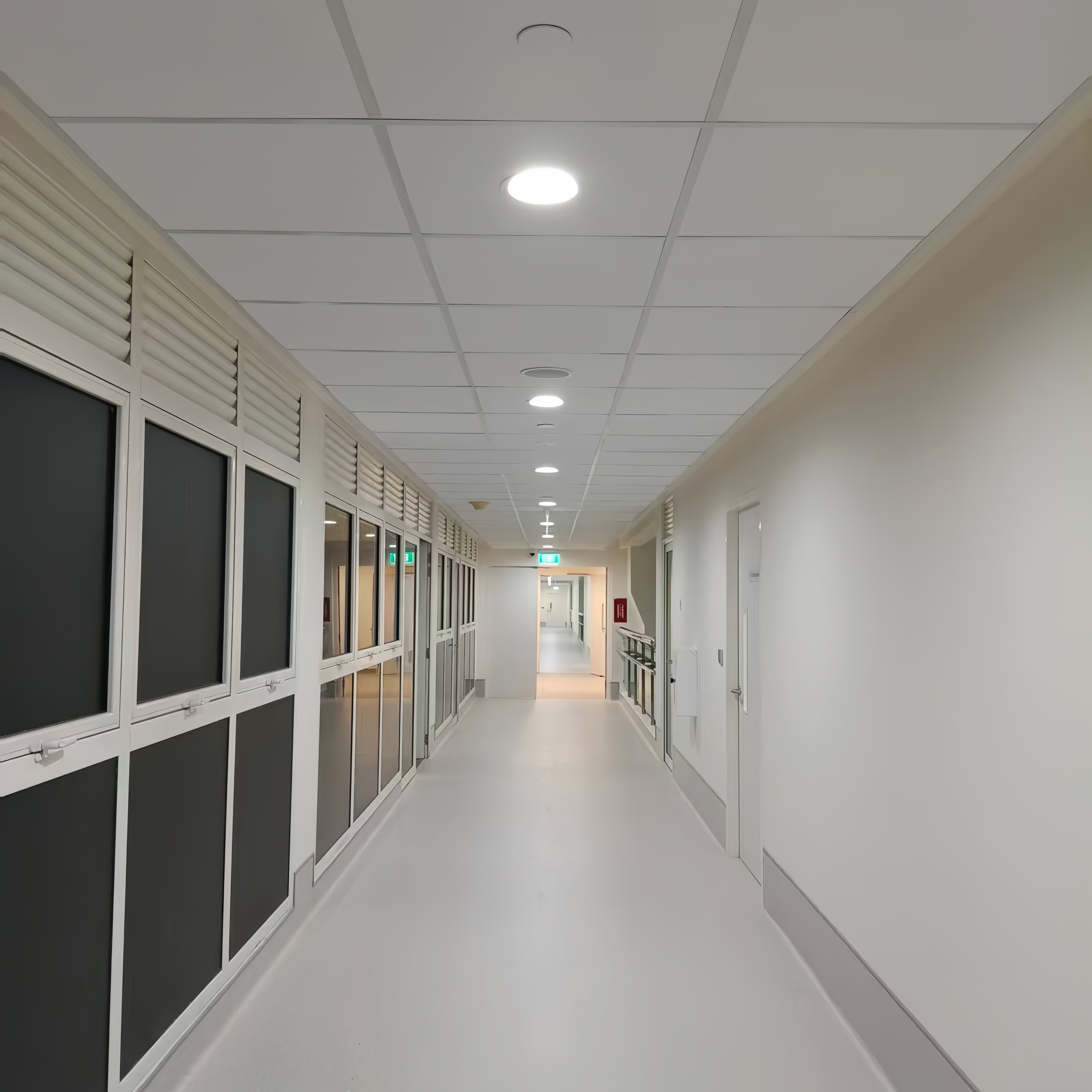
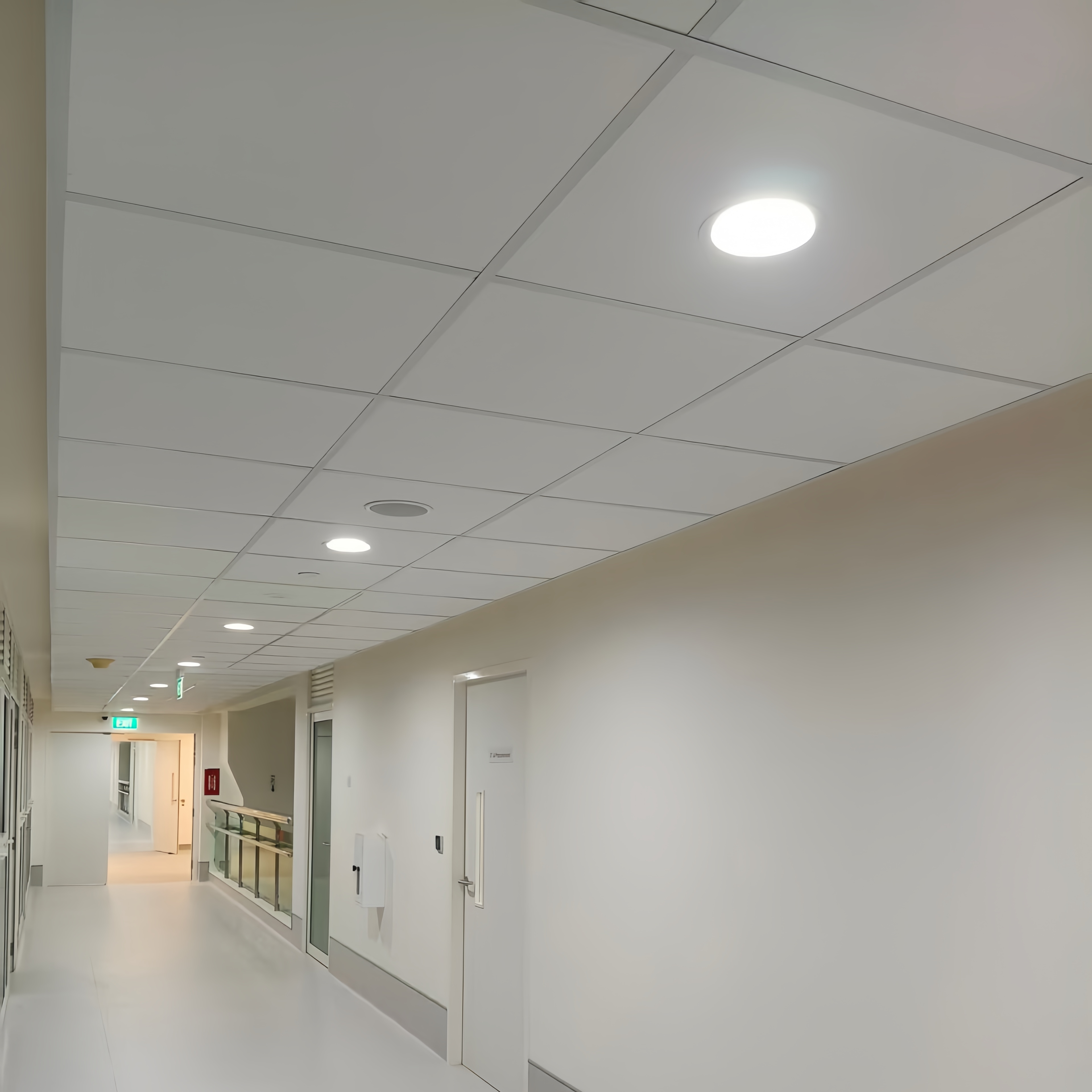
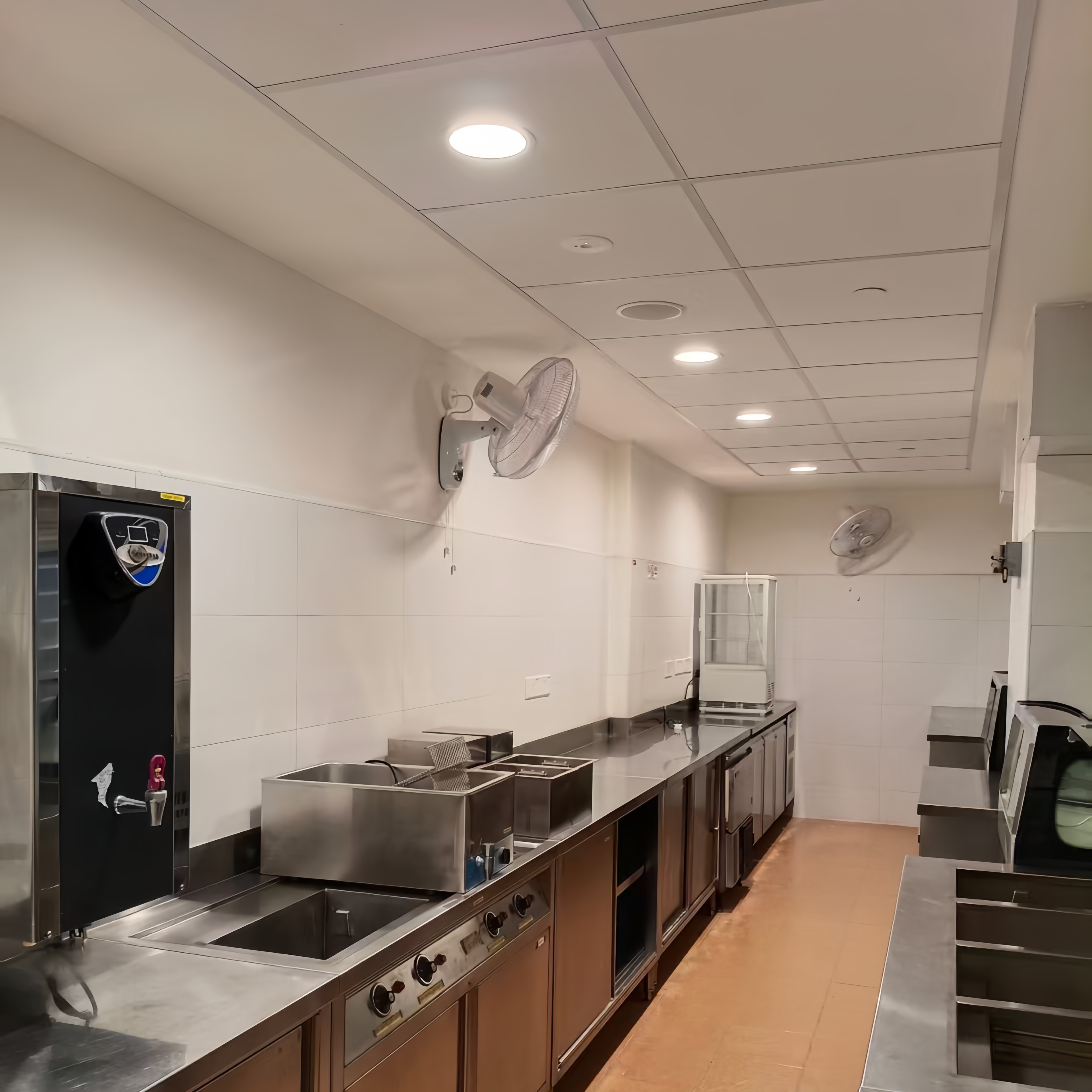
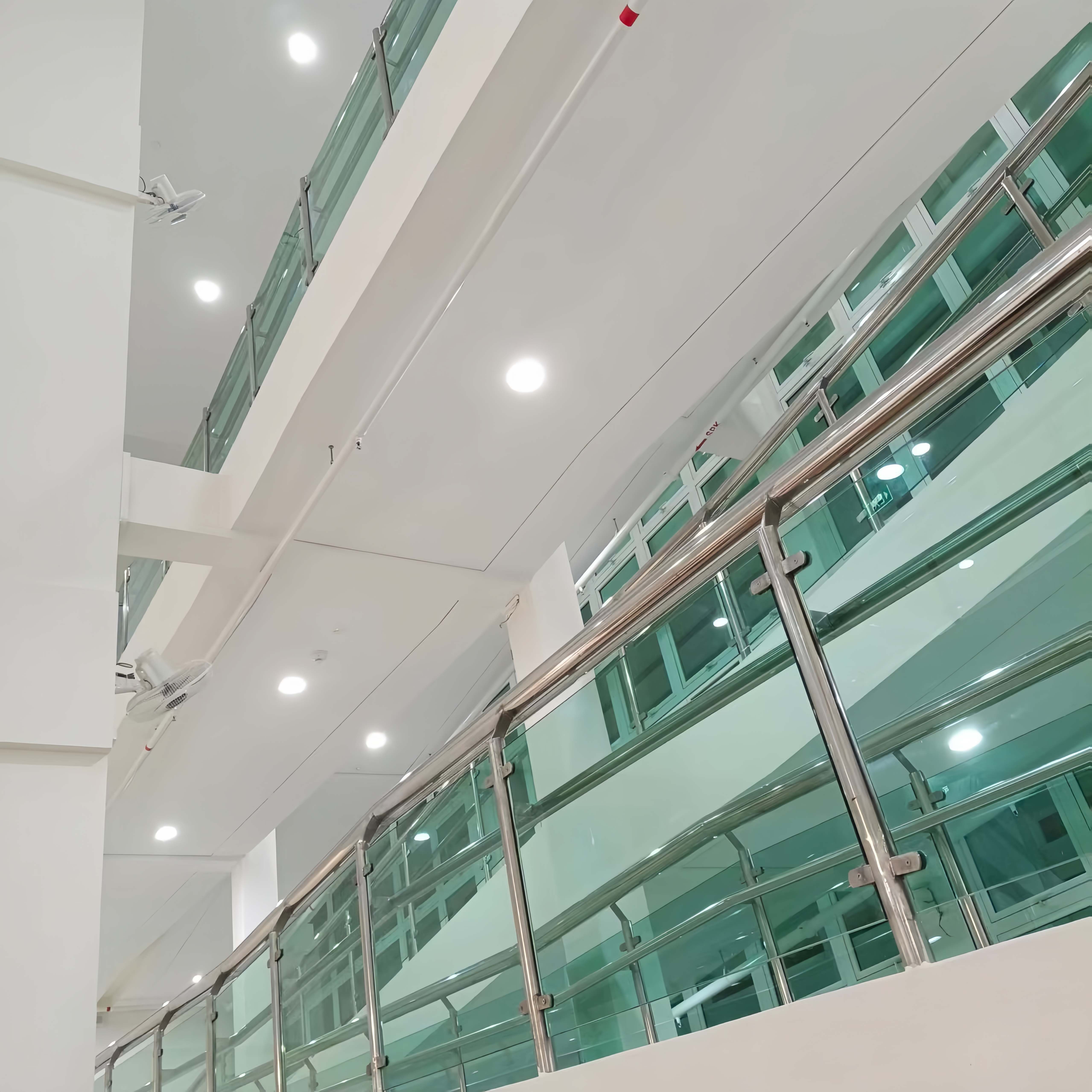
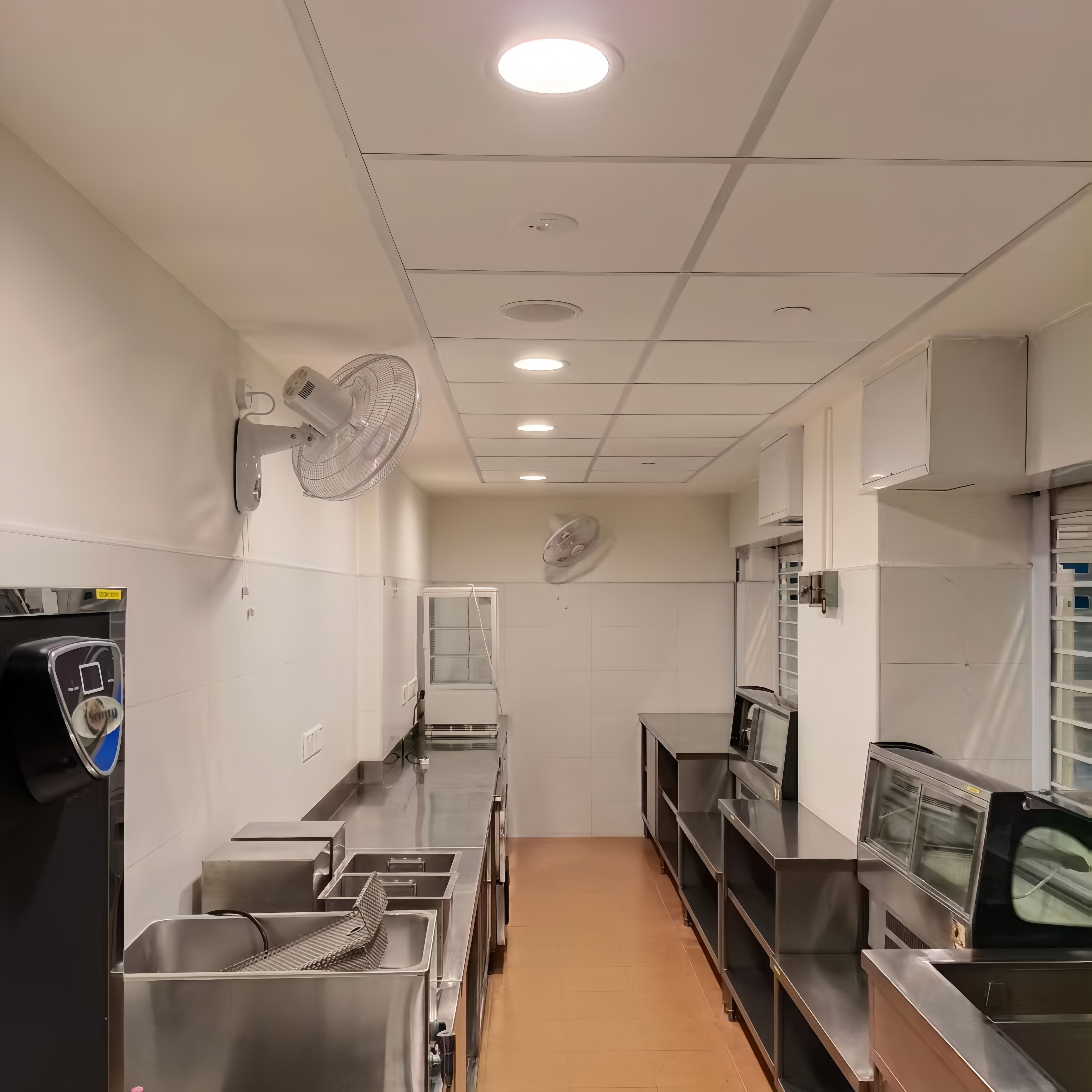
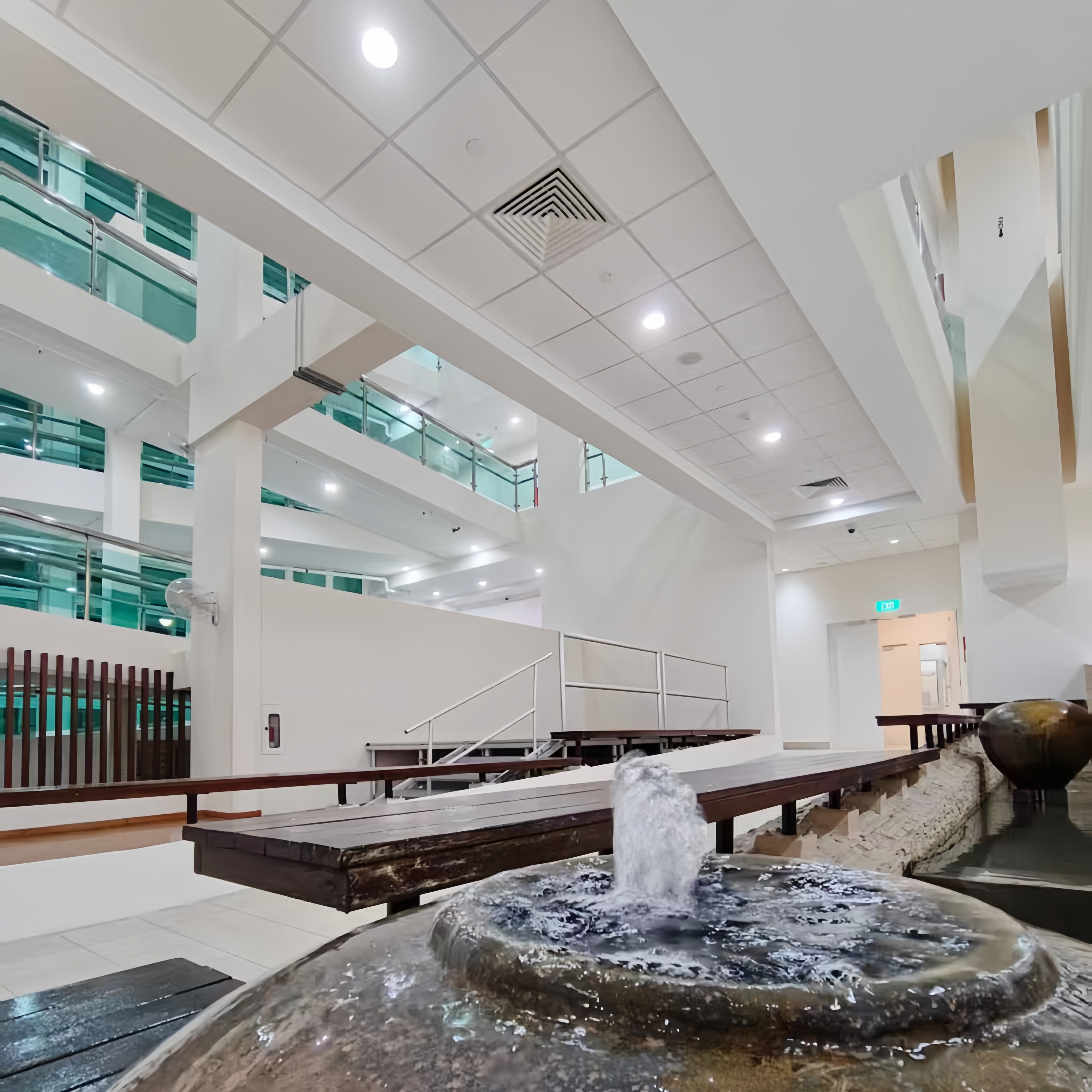
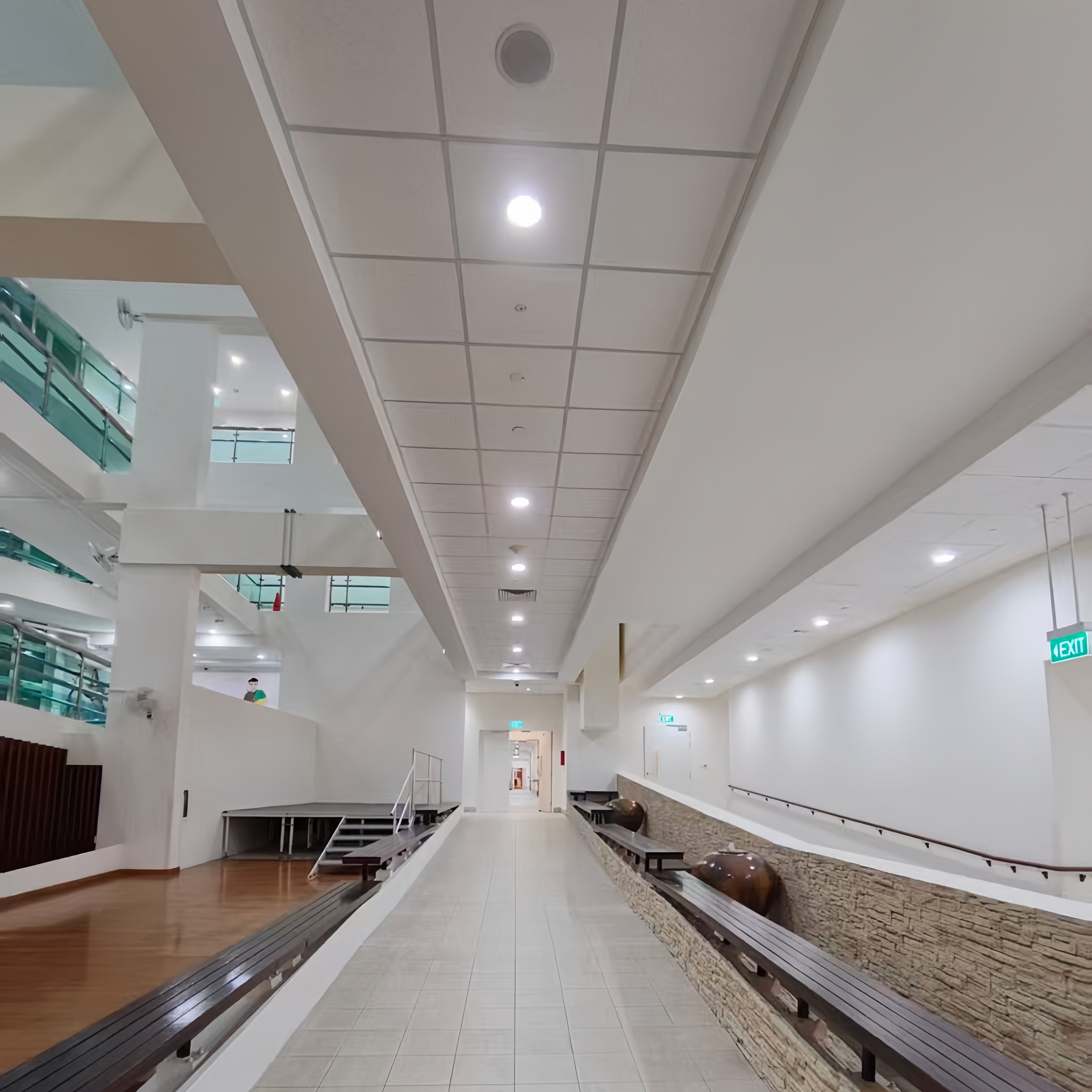
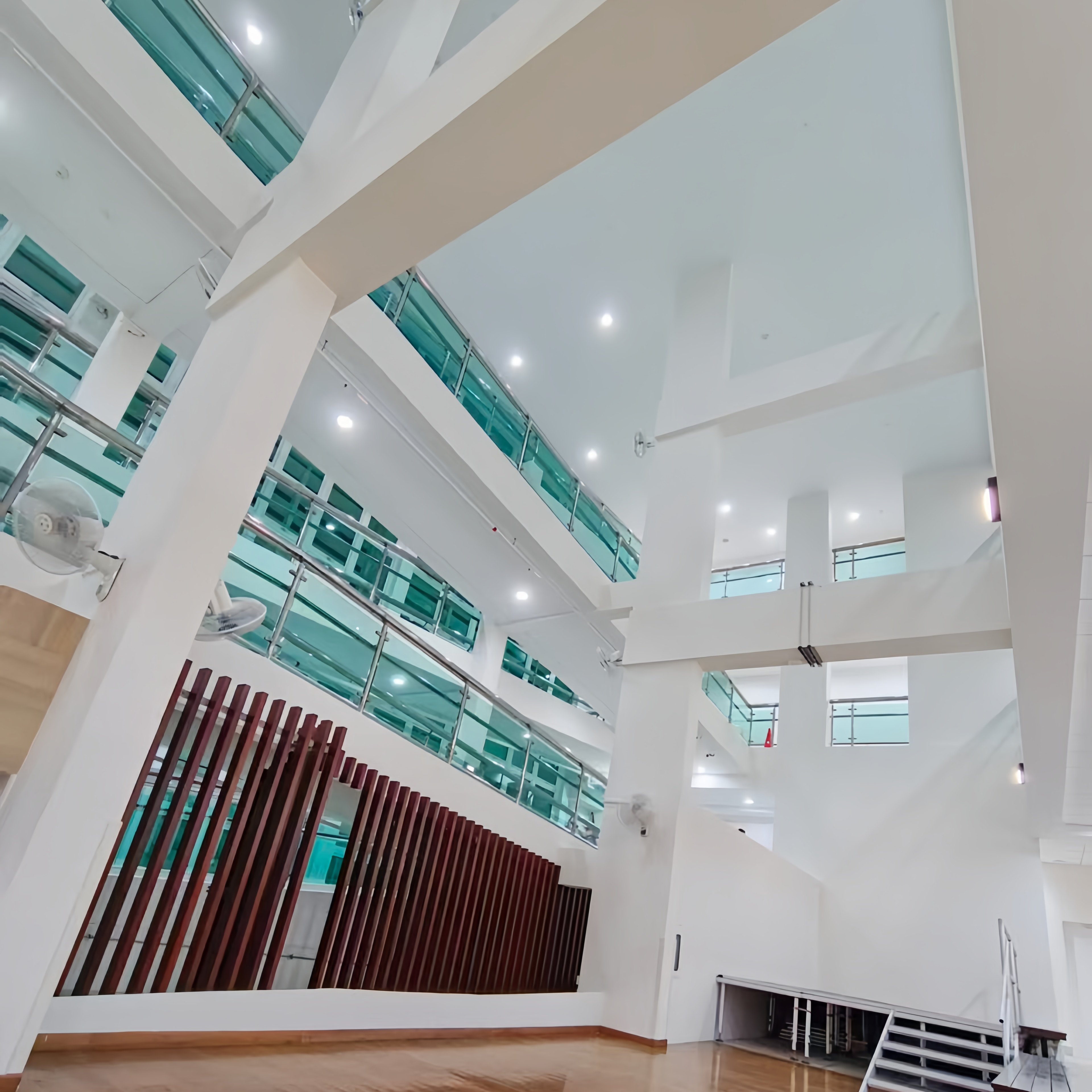
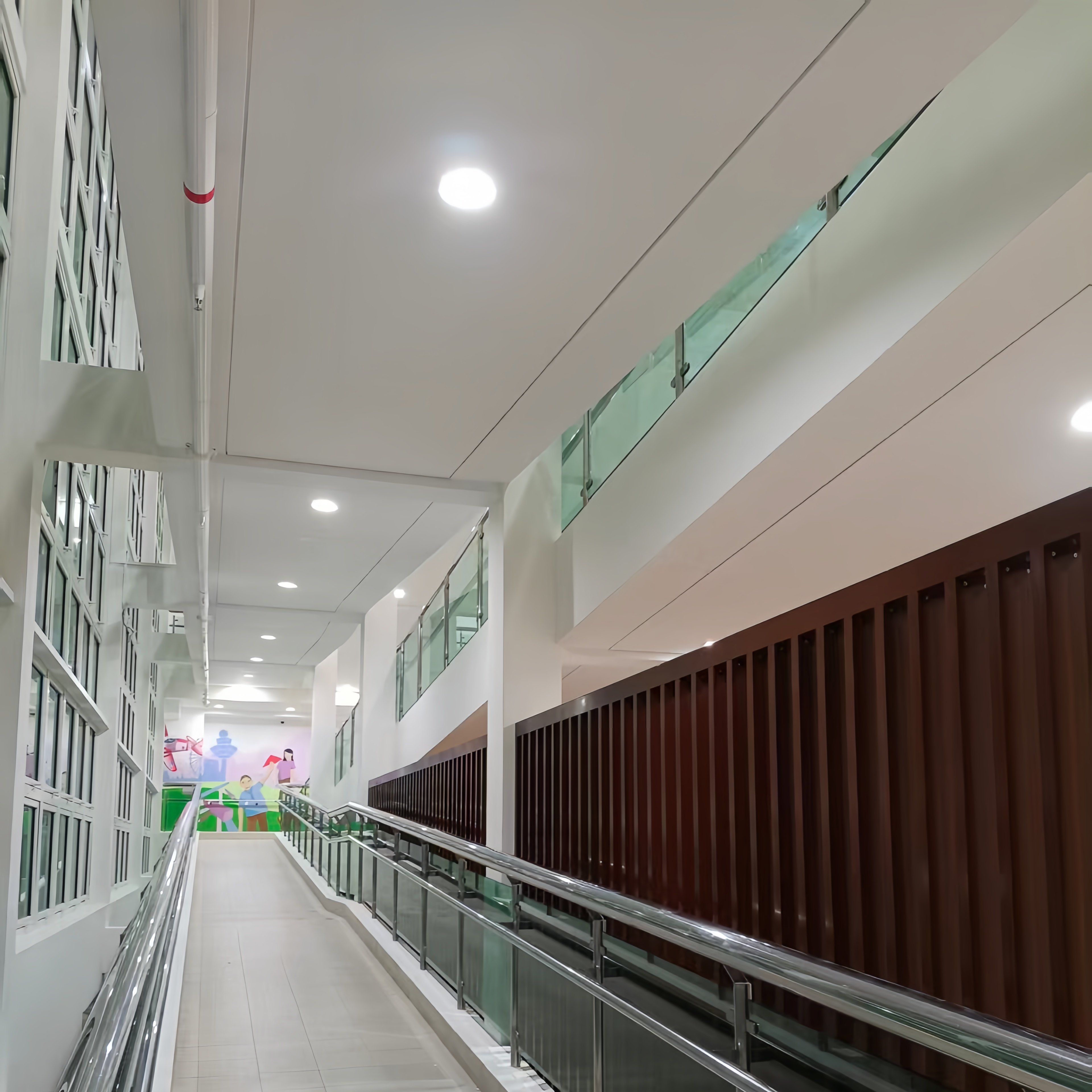
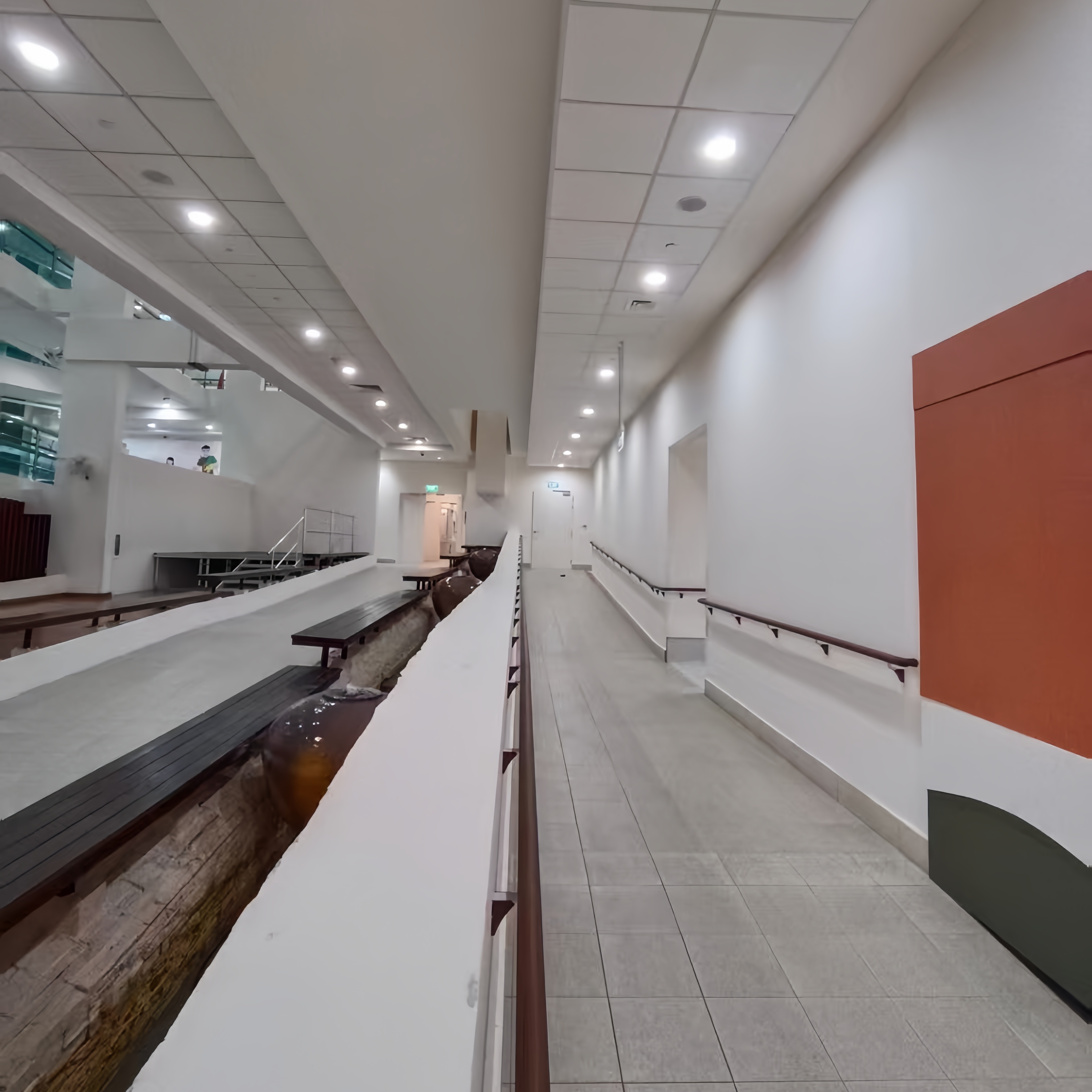
The Napiri project in Singapore is presented as a lighting case study highlighting the role of LED lighting in creating practical, visually comfortable and well-integrated interior environments.
A successful lighting installation needs to respond to the building's function, architectural layout, ceiling conditions and everyday usage requirements. Fixture selection and positioning should be coordinated with the surrounding finishes and building services to achieve a balanced result.
This case study introduces the key considerations for planning an LED lighting installation, including ambient illumination, visual comfort, architectural integration and long-term maintenance.
Project Name: Napiri
Location: Singapore
Project Type: To be confirmed
Application Areas: To be confirmed from project records
Lighting Products: To be confirmed against the approved product schedule
Design Priorities: Functional illumination, visual comfort, architectural integration and maintenance accessibility
Lighting requirements vary according to the purpose of a space. Circulation areas need clear visibility and consistent illumination, while workspaces and shared facilities may require additional task lighting. Decorative or customer-facing areas may place greater emphasis on visual appearance and architectural details.
A coordinated lighting plan should consider:
The final design should be based on the actual project layout, usage requirements and applicable Singapore standards.
LED lighting offers flexibility for a range of commercial, institutional and residential applications. Different luminaire types can be selected according to the space, mounting conditions and required light distribution.
Recessed LED downlights may be suitable where a discreet ceiling appearance is preferred. Linear LED luminaires can support continuous illumination in elongated spaces, while adjustable spotlights can provide focused light for selected objects or architectural features.
The appropriate solution depends on the project requirements rather than the fixture type alone. Light output, beam angle, glare control, colour consistency and installation dimensions should all be reviewed before the products are finalised.
Lighting fixtures form part of a wider architectural and building-services system.
Before installation, the project team should coordinate luminaire positions with ceiling grids, air-conditioning diffusers, detectors, speakers, access panels and other equipment. This helps prevent physical conflicts and keeps the ceiling layout organised.
For recessed fixtures, ceiling depth and cut-out dimensions need to be verified. Suspended or surface-mounted luminaires require appropriate mounting details and sufficient access for electrical connections and future maintenance.
Careful coordination during the design stage can reduce installation adjustments and help maintain the intended appearance of the completed space.
A well-designed lighting scheme should provide sufficient visibility without creating uncomfortable glare or excessive brightness.
The spacing and orientation of luminaires influence how light is distributed across floors, walls, work surfaces and other important areas. In corridors and other elongated spaces, a regular arrangement can support visual orientation. In work or display areas, additional focused illumination may be appropriate.
Designers should also consider reflective surfaces, viewing directions and the relationship between natural and artificial light.
Photometric calculations and on-site checks can help confirm whether the proposed arrangement meets the project's illumination and visual-comfort requirements.
Energy performance depends on the efficiency of the selected luminaires, the operating schedule and how the lighting system is controlled.
Depending on the building's needs, possible strategies include separate switching zones, compatible dimming, occupancy sensors and daylight-responsive controls.
These options should be assessed against the actual usage pattern. Appropriate controls can help reduce unnecessary operating hours while allowing occupants to adjust lighting to suit different activities.
The final control strategy should be coordinated with the electrical design and verified for compatibility with the specified LED drivers and luminaires.
Lighting performance needs to be considered over the full service life of the installation.
The project team should review driver accessibility, replacement procedures, spare-part availability and the suitability of each luminaire for its installation environment.
For areas with frequent use, a consistent product specification and a clearly documented luminaire schedule can simplify future maintenance. Installation records should identify the selected models and relevant technical information so that replacements can be matched appropriately.
Inbright provides LED lighting products and project support for a range of architectural, commercial and hospitality applications.
Depending on the confirmed project requirements, potential product categories may include recessed LED downlights, anti-glare downlights, adjustable spotlights, linear LED luminaires and customised lighting solutions.
Inbright can assist project teams with product selection and technical information based on the required application, installation conditions and performance criteria.
For the Napiri project, the final product description, installed luminaire types and project-specific results should be added after verification against the actual project records.
The Napiri lighting project in Singapore provides an opportunity to demonstrate how coordinated LED lighting can support functional illumination, visual comfort and architectural integration.
A successful installation begins with understanding the building's intended use and translating those requirements into a suitable lighting layout, appropriate luminaires and practical maintenance arrangements.
For future projects in Singapore and other international markets, Inbright supports the selection of LED lighting solutions tailored to project-specific requirements.
Planning an LED lighting project in Singapore? Contact Inbright to discuss luminaire selection, technical specifications and lighting solutions for your application.
Building 2, No.442, Wuyi Road, Jianghai District, Jiangmen City, Guangdong, China.
admin@inbright-lighting.com
0086 - 13424998756
Copyright © Jiangmen Inbright Lighting Co., Ltd All Rights Reserved. 粤ICP备2025393167号 Sitemap XML